Where the Roto starts replacing crane time
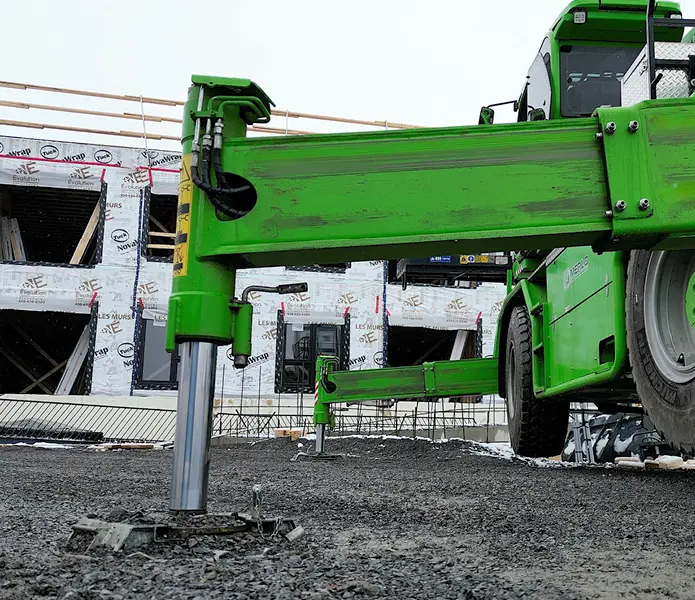
There is no honest height at which a rotating telehandler suddenly becomes a crane. Load, radius, attachment, ground conditions and the machine's load chart always decide the lift.
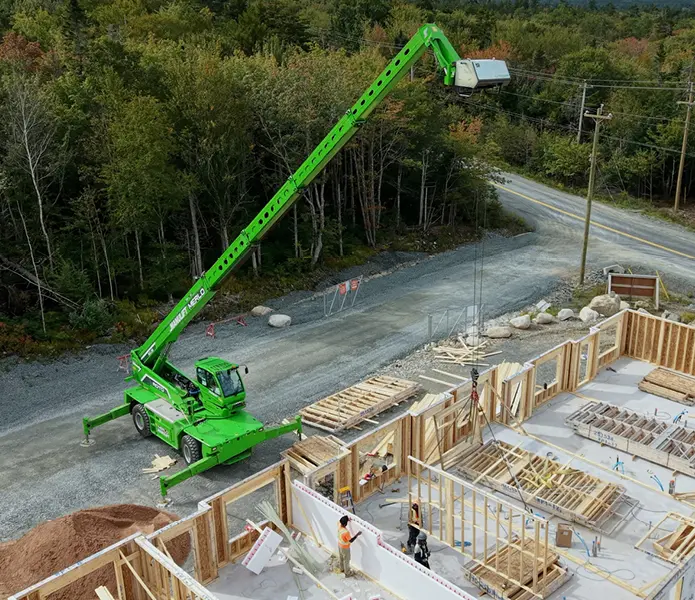
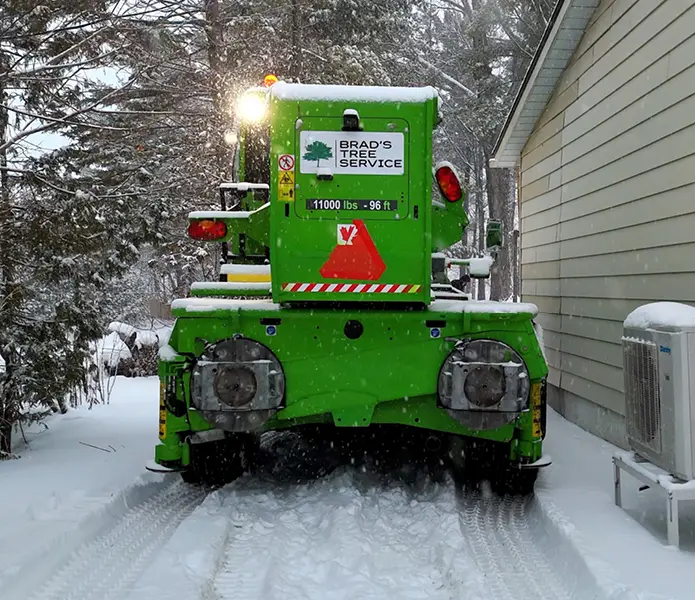
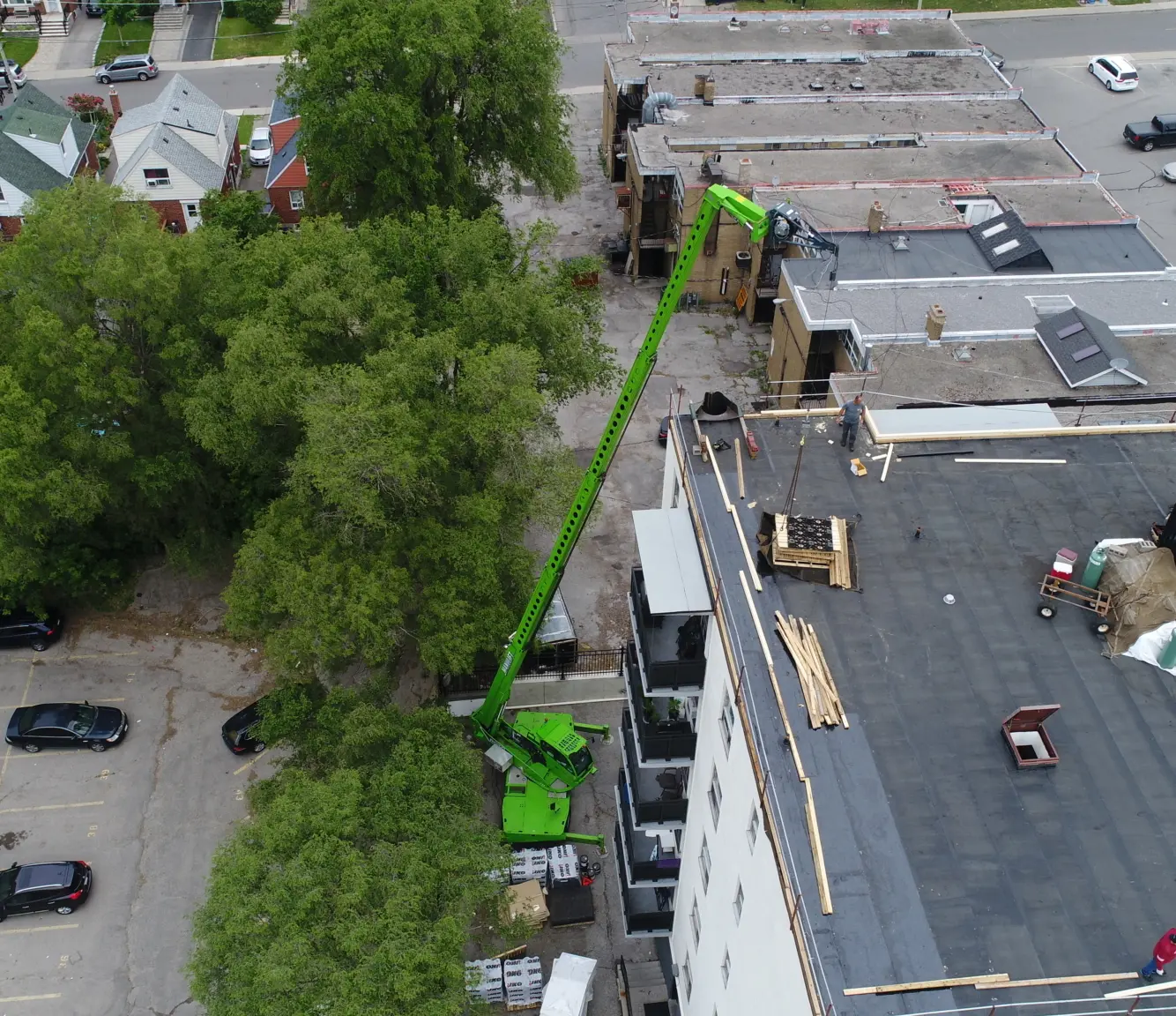
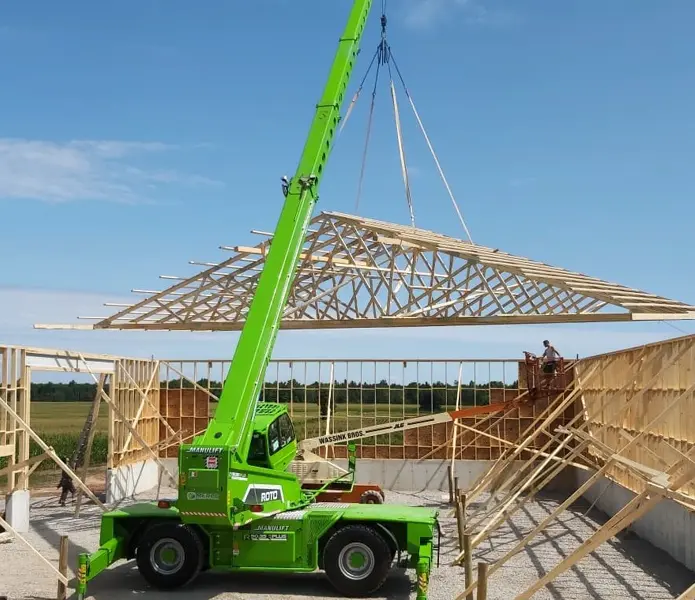
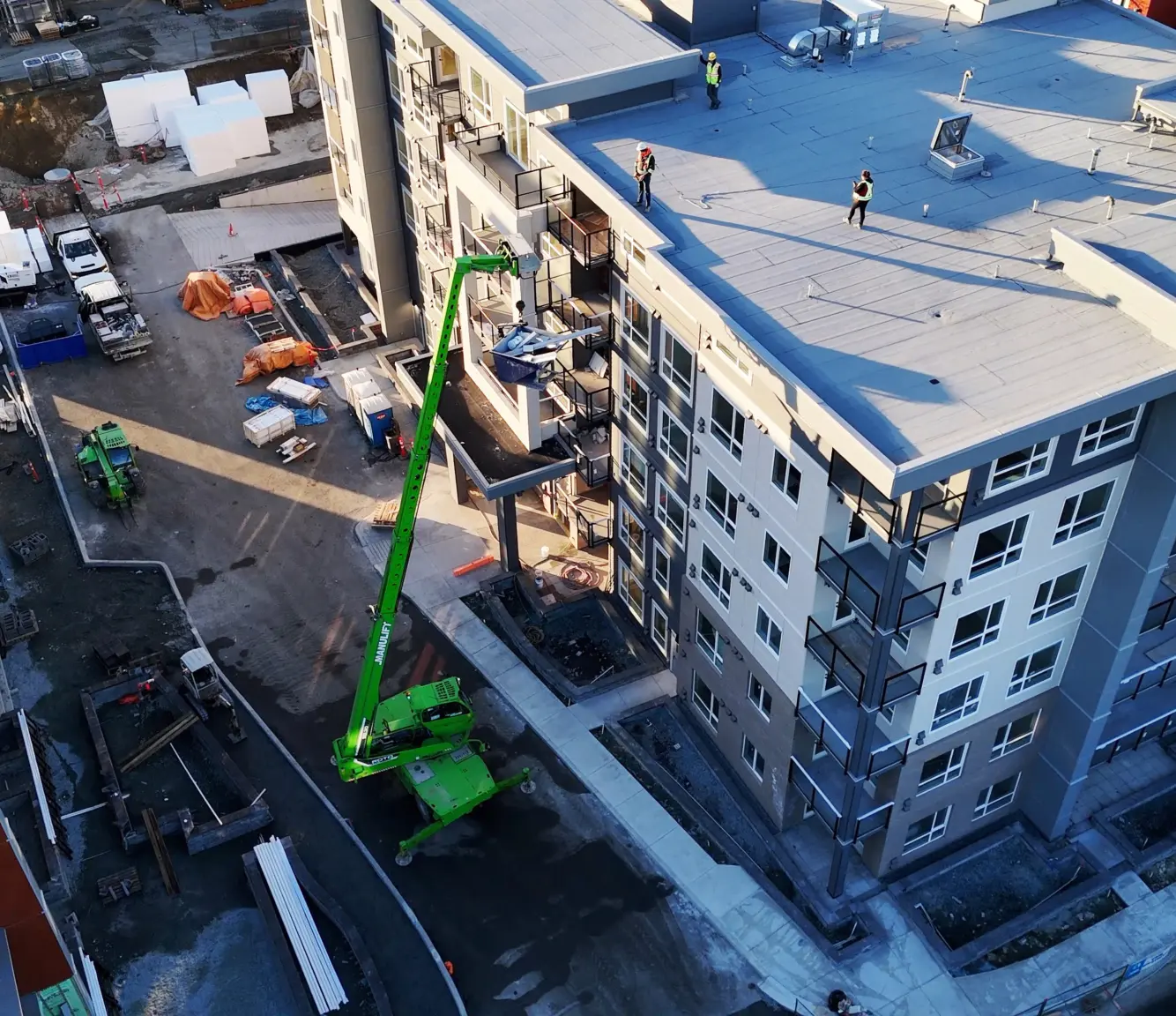
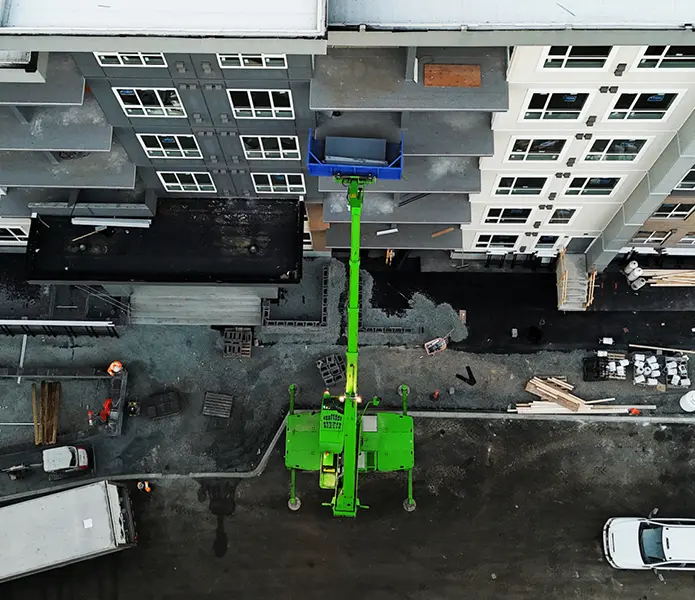
There is, however, a very useful planning zone. On many low- and mid-rise construction projects below roughly 100 ft, a Roto can cover a large share of the light-crane work that would otherwise send a small mobile crane or boom truck to site, provided the pick fits the Roto's chart.
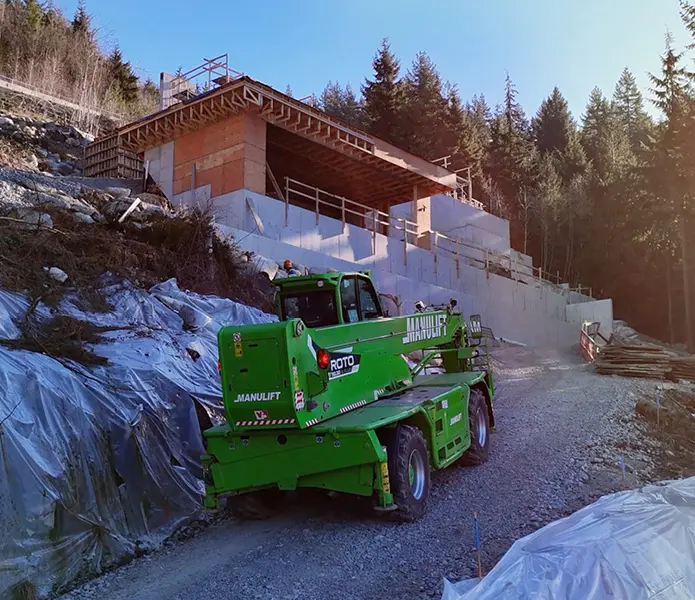
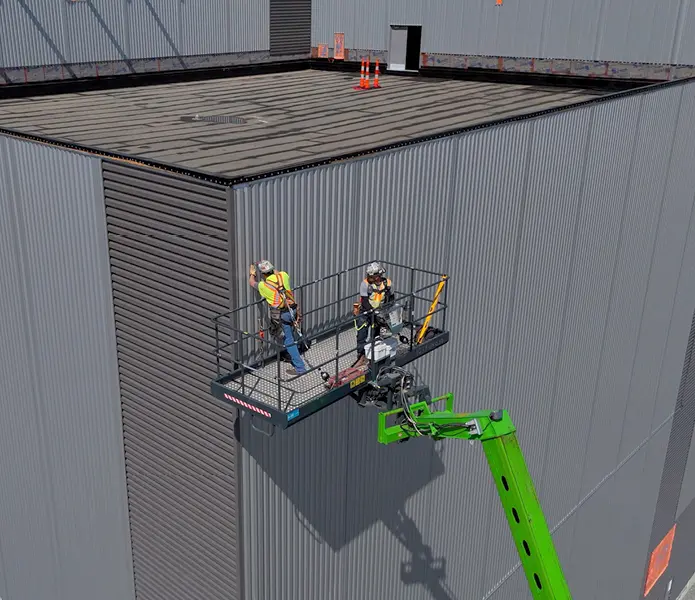
That is not a legal boundary. It is a practical crossover. Below that range, many jobs are not asking for extraordinary crane capacity. They are asking for 2,000, 4,000 or 6,000 lb to be put on a roof, through an opening, behind scaffolding or onto a steel structure. The Roto can often do that work and then go straight back to unloading pallets.
Above that working zone, or when the project involves heavy engineered picks or long-radius lifts, the mobile crane remains the proper tool. The Roto does not need to replace every crane to change the economics. It only has to remove enough crane calls, boom-truck visits and separate access equipment to stay productive for more hours of the day.